How to Choose Between Furnished and Unfurnished Apartments: A Comprehensive Comparison


Introduction
When searching for a new apartment, one of the key decisions you’ll face is whether to choose a furnished or unfurnished unit. Both options come with their own set of pros and cons, and your choice will ultimately depend on your lifestyle, budget, and personal preferences. In this comprehensive comparison, we’ll explore the differences between furnished and unfurnished apartments to help you make an informed decision.

Understanding Furnished Apartments
What is a Furnished Apartment?
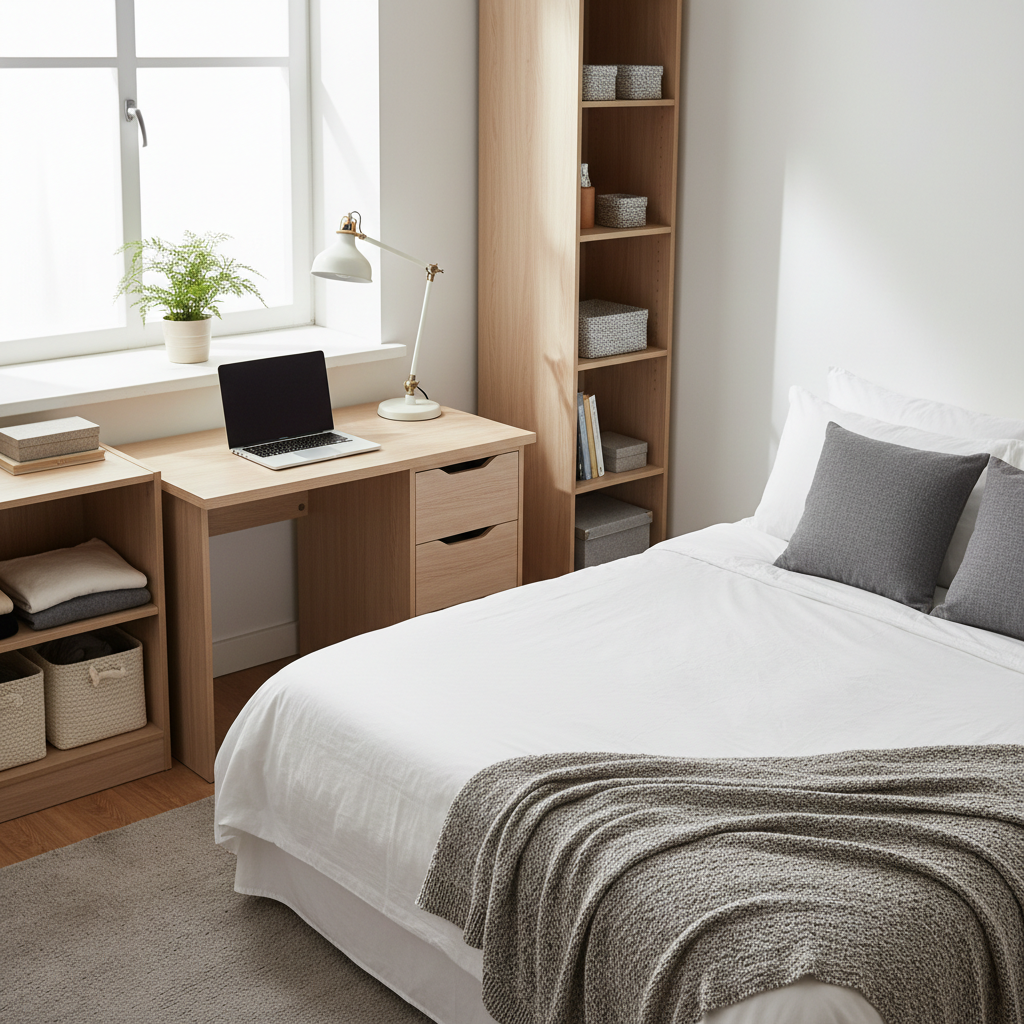
A furnished apartment comes equipped with essential furniture and appliances. This typically includes items such as a bed, sofa, dining table, and kitchen appliances. Some furnished apartments might even include decor, kitchenware, and bedding.
Pros of Furnished Apartments
One of the main advantages of furnished apartments is convenience. They are ideal for those who are moving long distances, have temporary housing needs, or simply want to avoid the hassle of purchasing and moving furniture. Additionally, furnished apartments can be a cost-effective option if you’re planning a short-term stay.
Cons of Furnished Apartments
On the downside, furnished apartments often come with higher monthly rent. You might also find that the furniture doesn’t match your personal style or isn’t as comfortable as you would like. Moreover, there is typically less flexibility in customizing the space to your liking.

Exploring Unfurnished Apartments
What is an Unfurnished Apartment?
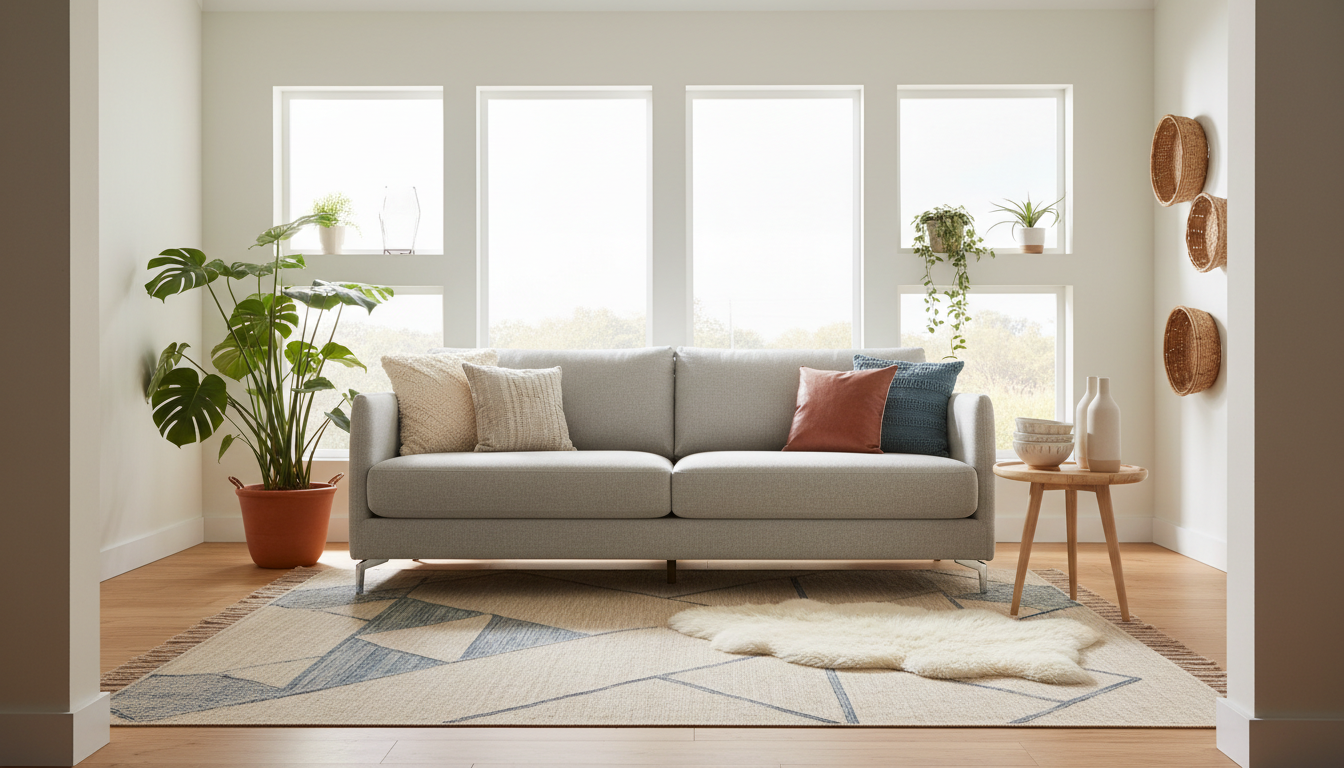
An unfurnished apartment, as the name suggests, does not come with furniture. It usually includes only the basic appliances such as a stove or refrigerator. This option allows you to personalize your living space with furniture and decor that match your taste.
Pros of Unfurnished Apartments
The most significant benefit of unfurnished apartments is flexibility. You have the freedom to design your home according to your preferences. Additionally, monthly rent for unfurnished apartments is typically lower than that of furnished units, which can be appealing for long-term renters.
Cons of Unfurnished Apartments
However, moving into an unfurnished apartment means you’ll need to invest in furniture and decor, which can be costly and time-consuming. It also requires more effort in terms of moving and setting up your home, especially if you do not already own the necessary furniture.
Making the Right Choice
Consider Your Budget
When deciding between furnished and unfurnished apartments, budget is a crucial factor. Determine whether the higher rent of a furnished apartment fits within your budget or if you'll benefit more from the lower rent of an unfurnished apartment despite the initial furniture costs.
Evaluate Your Lifestyle
Your lifestyle should also influence your decision. If you frequently move or have a transient lifestyle, a furnished apartment might be more suitable. Conversely, if you plan to stay in one place for an extended period, investing in furniture for an unfurnished apartment could be more beneficial.
Think About Personal Preferences
Consider what’s more important to you: convenience or customization. Do you want a ready-to-live space, or do you enjoy personalizing your home environment? Your answer to these questions will guide your choice.
Conclusion
Choosing between a furnished and unfurnished apartment involves weighing various factors, including budget, lifestyle, and personal preferences. By understanding the differences and considering your own needs, you can make an informed decision that best suits your living situation. Whether you opt for the ease of a furnished apartment or the personalization of an unfurnished one, the key is to choose what feels right for you.